The Karate Gi: Complete Guide to Your Karate Uniform
How heavy your karate gi should be, which cut and fabric suit you, how to get the size right first time, and how to wash it so it still fits next year.
Your first karate gi is usually bought in a hurry, the week before your first class or straight after a child decides they love it. Most of the time it works out fine. When it doesn't, it's usually for one of three reasons: the gi was too heavy for a beginner, it shrank after the first hot wash, or it was bought several sizes too big "to grow into".
This guide covers the few decisions that actually matter: weight, cut and fabric, size, and care.
What a karate gi is
A karate gi (also written karategi, and often called a dogi) is the uniform you train and compete in. "Gi" and "karate uniform" mean the same thing, so you'll hear both in the dojo.
A gi has three parts:
- Jacket (uwagi): the wrap-over top, tied on the inside and outside so it stays closed while you strike and block.
- Trousers (zubon): loose pants with a drawstring or elastic waist, cut roomy through the crotch so you can kick high.
- Belt (obi): holds the jacket closed and shows your grade. Many student gis come with a white belt; most heavier gis don't.
The karate gi is based on the judo uniform. Karate borrowed it, along with the belt system, when it moved from Okinawa to mainland Japan in the 1920s. Our post on what happened to karate covers that history. Because karate is mostly striking rather than grabbing and throwing, a karate gi is far lighter than a judo gi. If you train both, our judo gi guide explains the difference.
Choosing the weight: light, middle or heavy
Gi weight is given in ounces (oz) and refers to how heavy the fabric is. Brands don't all measure it the same way, so treat the number as a guide, not an exact spec. The karate gis we stock fall into three groups:
- Lightweight (5 to 8 oz). Best for beginners, kids, kumite and hot summer training. Light, cool and quick to dry, and the poly-cotton ones hold their size. The trade-off: they feel thinner, don't give much "snap" on techniques, and the cheapest ones wear out sooner. Examples: the CORE Blue Label 8 oz and Dragon 8 oz, both poly-cotton with a belt included.
- Middleweight (around 10 oz). Best for adults training two or three times a week who do both kata and kumite. A good balance of comfort and durability, with a bit more structure. The trade-off: warmer and heavier than a student gi, and slower to dry in winter. Examples: the Yamasaki Pro V2 10 oz (poly-cotton) and the CORE 2.0 Premium 10 oz (100% cotton).
- Heavyweight (12 to 14 oz). Best for senior grades, instructors and kata. Thick cotton canvas lasts for years, holds a crisp shape and gives a strong snap on every technique. The trade-off: heavy, hot in a packed dojo, slow to dry and dearer. Examples: the Yamasaki 14 oz Elite Kata Gi and Yamasaki Gold Deluxe 14 oz.
For most beginners, a lightweight gi is the right first buy. Move up to around 10 oz once you're training regularly and know you're sticking with it, and save a heavy canvas gi for when you're grading at senior levels or focusing on kata. Our karate black belt guide covers what graders look for in a gi at that stage.
Cut and fabric
Japanese cut vs European cut
The cut changes the length of the sleeves and trousers and how the jacket sits.
- Japanese cut: shorter sleeves and trousers with a longer jacket, which helps stop it riding up. It gives a sharp, traditional look and is common on kata gis. The Yamasaki 14 oz Elite is a Japanese cut.
- European cut: longer sleeves and trousers with a slightly shorter jacket. Some people prefer the extra coverage.
You'll also see gis made for one discipline. Kumite gis are very light and breathable for speed. The Arawaza Onyx Zero Gravity is a 5 oz microfibre gi. Kata gis are heavy cotton for a crisp look and sound. Kyokushin clubs usually wear their own style, with three-quarter sleeves and the Kyokushin kanji on the jacket, like the Yamasaki Kyokushinkai 8 oz.
Cotton vs poly-cotton
The karate gis we sell are either 100% cotton or a poly-cotton blend (most of ours are 35% cotton and 65% polyester).
- 100% cotton: soft, breathable and the traditional choice for heavier gis. It shrinks, though. CORE says its 10 oz cotton gi may shrink by up to 6% and should never be washed or dried hot [5].
- Poly-cotton: tough, usually cheaper, creases less and dries quickly. The poly-cotton gis we stock are sold as not shrinking [6]. Some people find it a little less breathable than cotton.
For a first gi, poly-cotton is the easier choice: what you buy is the size you keep. Cotton makes more sense once you know your size and are happy to wash it carefully.
Do you need a WKF approved gi?
Probably not yet. The World Karate Federation (WKF) approves certain gis from a short list of brands, and an approved gi with the brand embroidered on the shoulders is compulsory at WKF official events such as the World Championships and Karate 1 series [1][2]. Arawaza is one of the approved brands [4].
At home, Karate New Zealand's recent national events have asked competitors for a clean white gi in good condition, without stripes, piping or personal embroidery, under WKF rules with local changes [3]. Requirements differ between events and organisations, and non-WKF styles have their own rules. Check with your club or the event organiser before you buy a competition gi.
Getting the size right
Karate gi sizes are based mainly on height. All the brands we stock use the same style of label: a size number paired with a height in centimetres, roughly 10 cm per size. For example, 0/130, 3/160 and 5/180. Kids' sizes go down through 00 and 000 to 00000/90cm (Dragon), and the biggest adult size we carry is 7/200. Some gis, such as the CORE 2.0 and Arawaza, also come in half sizes like 3.5/165.
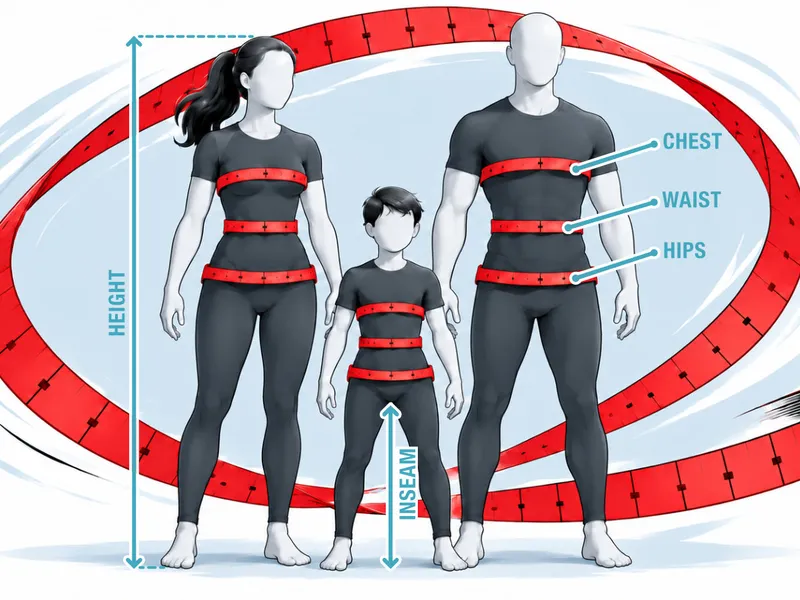
Brands still cut a little differently, so check the chart on the product page or our sizing guide. If you're not sure of your height or measurements, our guide on how to measure yourself for a uniform takes about ten minutes.
A few rules of thumb:
- Between sizes? Go up if you're solidly built or buying 100% cotton. Stay true to size if you're slim or buying poly-cotton.
- Women: our karate gis are unisex. Choose the size that fits your shoulders without too much spare fabric, then fold or tuck the sleeves and trousers for length if needed.
- Kids: one size up leaves room to grow. Two or three sizes up means sleeves over the hands and trousers under the feet, which gets in the way and can trip them.
Once it's on, check the fit:
- Sleeves reach about your wrist bone (a little shorter on a Japanese cut or a Kyokushin gi).
- Trousers reach around your ankle bone (some kata cuts are deliberately shorter).
- You can kick, squat and twist without the gi pulling tight or gaping open.
If in doubt, wear it to class and ask your instructor. Some clubs have their own rules on sleeve and trouser length.
Looking after your gi
A well-looked-after gi stays white, keeps its size and lasts for years. Always follow the care label on your gi first. The basics:
- Wash it soon after training. Don't leave it balled up in your bag, where sweat sets in and smells.
- Wash cool, never hot. Heat is what shrinks cotton.
- Whites with whites. One red sock will turn your gi pink.
- Go easy on bleach. Too much weakens the fibres and shortens the gi's life.
- Line dry, out of harsh sun if you can. Keep cotton gis out of the dryer.
- Store it completely dry. A damp gi folded away will go mouldy and smelly.
Our gi washing and care guide goes into more detail, including why gis shrink and how clean kit helps keep skin infections off the mat. It's written for BJJ, but the washing advice is the same for a karate gi.
Questions we get asked
How many karate gis do I need?
Start with one. Once you're training two or more times a week, get a second so one can dry while you wear the other, and you always have a clean gi for class or grading.
Should I buy a lightweight or heavyweight gi?
Lightweight (around 8 oz) if you're a beginner, buying for a child, doing a lot of kumite or training in hot weather. Heavyweight (12 to 14 oz) if you're a senior grade, an instructor or focusing on kata and want durability and a crisp snap. Around 10 oz sits in between for regular adult training.
Will my karate gi shrink?
Poly-cotton gis generally hold their size. 100% cotton gis shrink, mostly in length and mostly in the first few washes. Allow for that when you pick a size, and wash cool and line dry to keep it to a minimum.
Does a belt come with the gi?
Most student gis come with a white belt, including the CORE Blue Label, Dragon and Yamasaki Pro V2. Heavier gis such as the Yamasaki 14 oz Elite usually don't, because by then you'll already have your grade belt. Check the product page.
Your next step
Measure your height (or your child's), pick a weight from the list above, and check the size chart on the gi you like. If it's your first gi, an 8 oz poly-cotton gi is the safe bet. Browse our full range of karate gis, or come into our Onehunga store and try a few sizes on.
Save with a kit
If you're also buying sparring gear, our karate kits bundle a gi with the protective gear most clubs ask for, for less than buying each item separately.
- Karate Starter Kit: Dragon 8 oz gi with belt, CORE cotton hand mitts, CORE cotton shin guards, Prolon mouthguard and Morgan groin guard.
- Karate Intermediate Pack: Yamasaki Pro V2 10 oz gi with belt, kumite mitts, CORE cotton shin guards, a gel mouthguard and Morgan groin guard.
Save with a kit
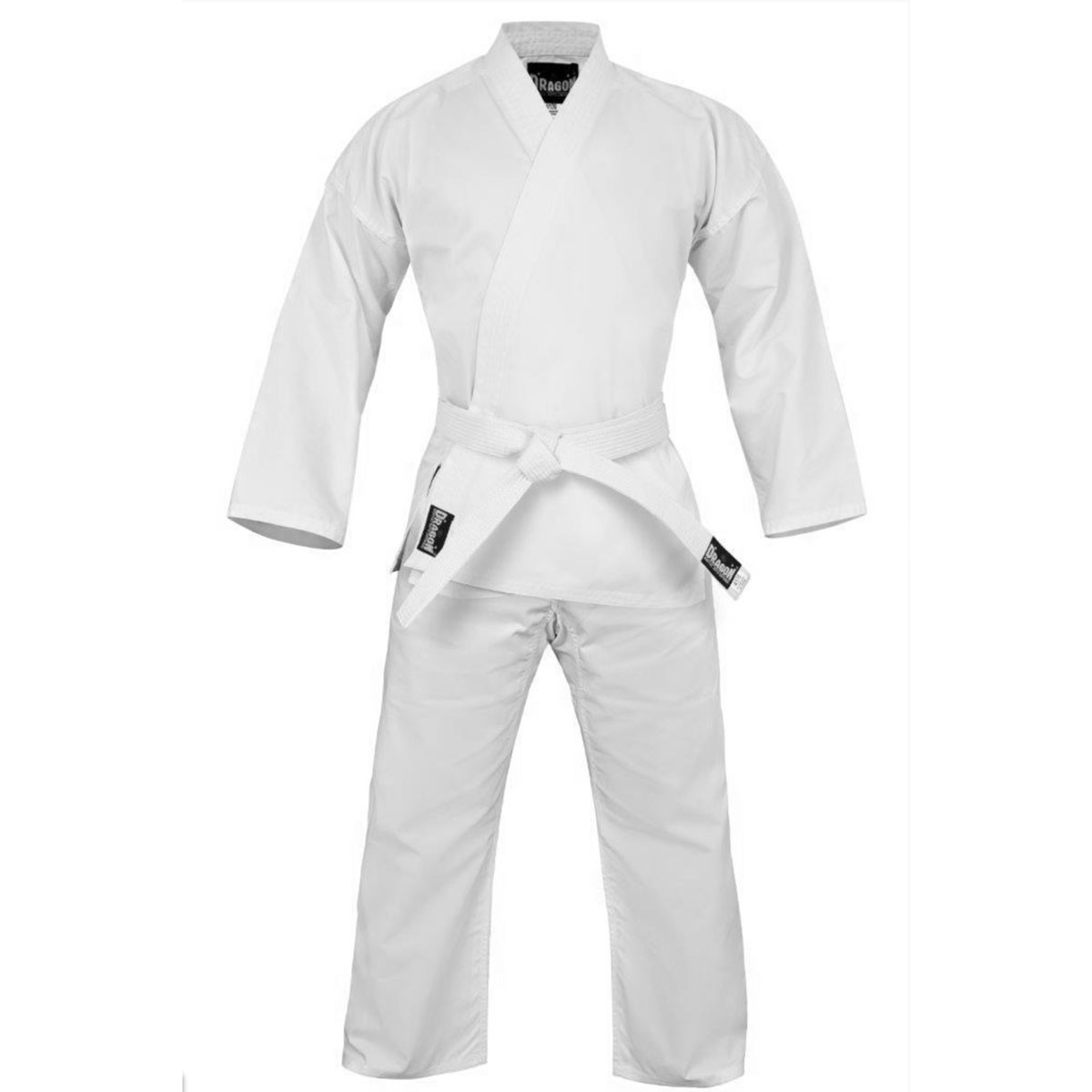 Kit priceKarate Starter Kit
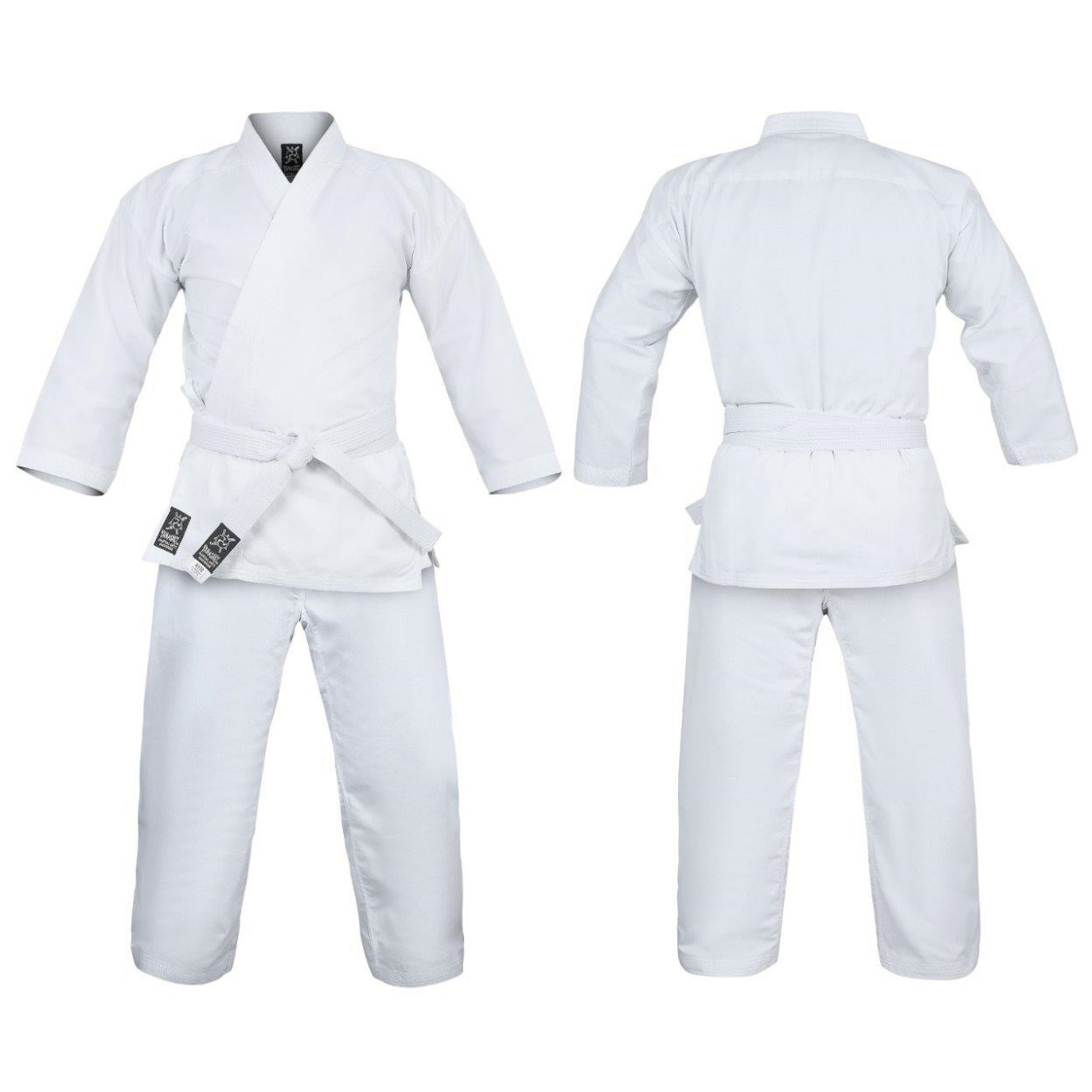 Kit priceKarate Intermediate Pack
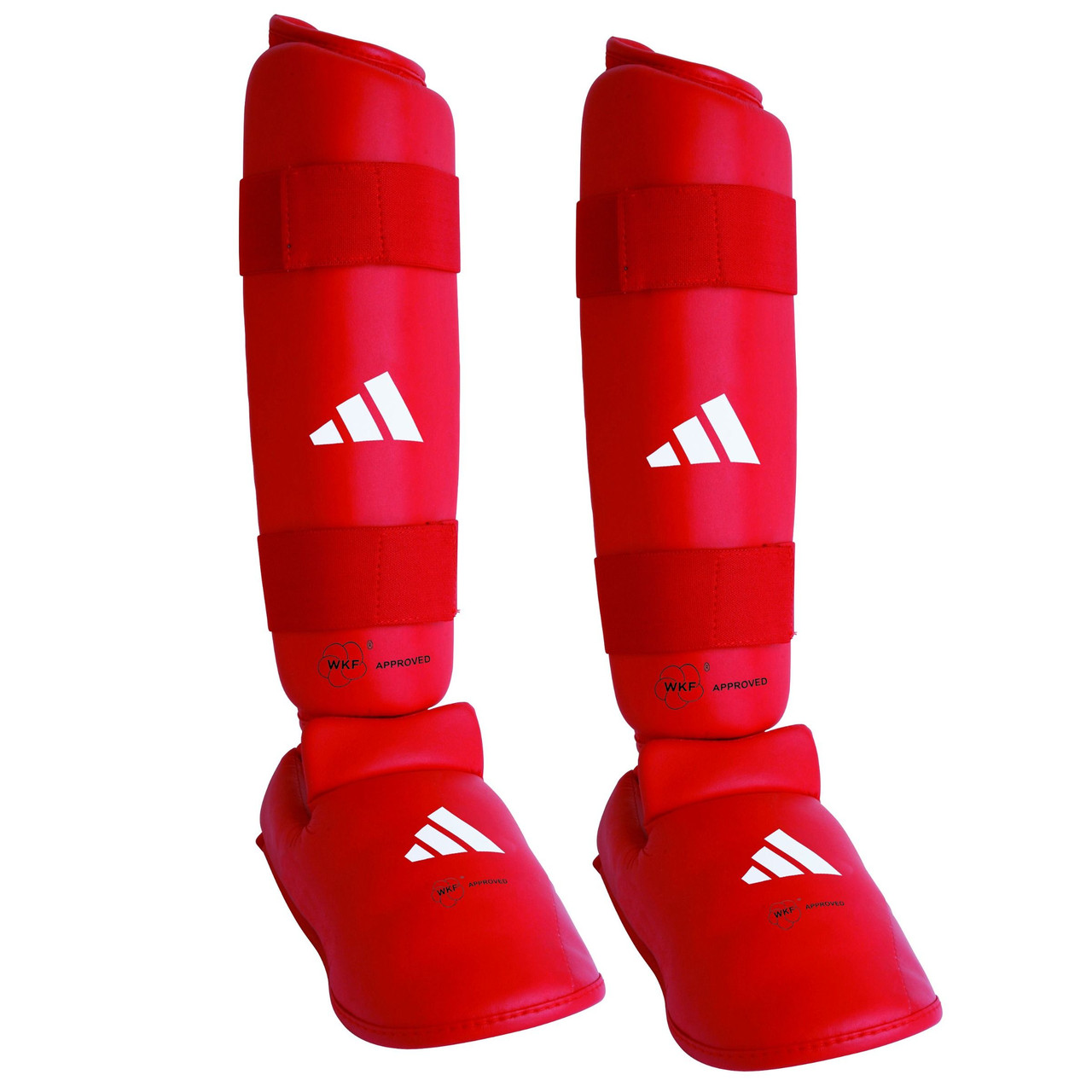 15% off as a kitWKF-Approved Kumite Competition Kit - Red
References
- World Karate Federation. Safety in Karate: Karate-gi. WKF, accessed November 2026.
- World Karate Federation. Kata Competition Rules 2024, Article 2. WKF, 2024.
- Karate New Zealand. 2024 New Zealand Cup: equipment requirements. Karate New Zealand, 2024.
- Pan American Karate Federation. Official Karate Gi in 2023 (list of WKF approved karategi brands). PKF, 2022.
- Zenjo. CORE 2.0 Premium Karate Gi: fabric and care details. Accessed November 2026.
- Zenjo. CORE Karate Gi Blue Label 8oz and Yamasaki Kyokushinkai Uniform 8oz: fabric details. Accessed November 2026.