Martial Arts for Kids: How to Get Started in NZ
What martial arts can do for your child, from confidence and focus to fitness and friendships, plus how to pick a style, what kit to buy first and the mistakes parents most often make.
Most parents don't start looking at martial arts because they want a black belt in the family. They want a child who's a bit more confident, a bit more focused, or just off the couch and doing something they enjoy. Martial arts can help with all of that, as long as you find the right club.
This guide covers what martial arts can realistically do for your child, how to choose a style, what to buy for the first few weeks, and the mistakes we see parents make.
Confidence and character
This is the reason most parents give, and it's one of the more believable benefits. Martial arts give kids a steady run of small, visible wins: a new technique, a stripe on the belt, a grading passed. Each one shows them that effort leads somewhere.
Just as useful, they learn that not everything comes easily. A child who struggles with a throw for three weeks and then gets it has learned something about persistence that's hard to teach any other way. Belt systems also give kids a natural way to set goals and work towards them.
Respect is built into most classes. Kids bow on and off the mat, listen when the coach talks, and look after their training partners. Good clubs teach this as how we treat each other, not just as rules to follow.
Focus and discipline
Here the evidence is at its strongest. In a randomised trial at a UK primary school, children aged 7 to 11 who did an 11-week taekwondo course showed better attentional self-regulation and fewer conduct problems than classmates who didn't. An earlier US school study found similar gains in self-control and classroom behaviour.
In practice, it looks like this. Kids learn to stand still and listen, wait their turn, follow a sequence of instructions and control their breathing when they're tired or nervous. They also learn to make quick decisions under a bit of pressure, such as when to move or how to respond to a partner. Many coaches describe it as connecting the mind and body: thinking about what you're doing while you're doing it.
Results vary between children and between clubs, so treat this as something martial arts can help with rather than a guaranteed fix.
Fitness and healthy activity
Martial arts are a good way to get kids moving. A typical class mixes running, jumping, rolling, kicking and partner drills, which can help with balance, coordination, strength and cardio fitness. For kids who don't enjoy team ball sports, it can be the activity that finally sticks.
The NZ guideline is that children and young people aged 5 to 17 get at least 60 minutes of moderate to vigorous activity every day. A class or two a week makes a useful contribution, but it won't cover that on its own, so think of it as one part of an active week rather than the whole answer. We'd focus on whether your child enjoys it and keeps going, not on any change in their weight.
Friendships and social skills
Training with the same group week after week is a great way to make friends, and some of those friendships last for years. Kids learn to work with partners of different sizes and abilities, to take turns, and to look after someone else's safety as well as their own.
Partner work also teaches a quiet kind of conflict resolution. Kids practise controlled contact with clear rules, they learn to say when something hurts, and they learn to stop when their partner taps or says so. Those skills carry into the playground.
Safety and self-protection
Martial arts can give children skills and confidence that help them stay safer, but we'd be wary of any club that promises your child will be able to defend themselves. A few months of classes won't make a seven-year-old a match for an older or bigger person.
The safety skills that matter most for kids are often the simple ones: noticing when something feels wrong, using a loud voice, getting away, and telling a trusted adult. Good clubs teach these alongside the physical techniques, and they teach kids to avoid fights rather than look for them. Grappling arts like judo and BJJ also teach kids how to fall safely, which is handy well beyond the mat.
Choosing a style by age and temperament
There's no single best style for kids. These are the ones most NZ parents choose between:
- Karate: structured and traditional, with clear belt grades. Suits kids who like routine and goals.
- Taekwondo: lots of kicking, fast-paced and athletic. Good for energetic kids.
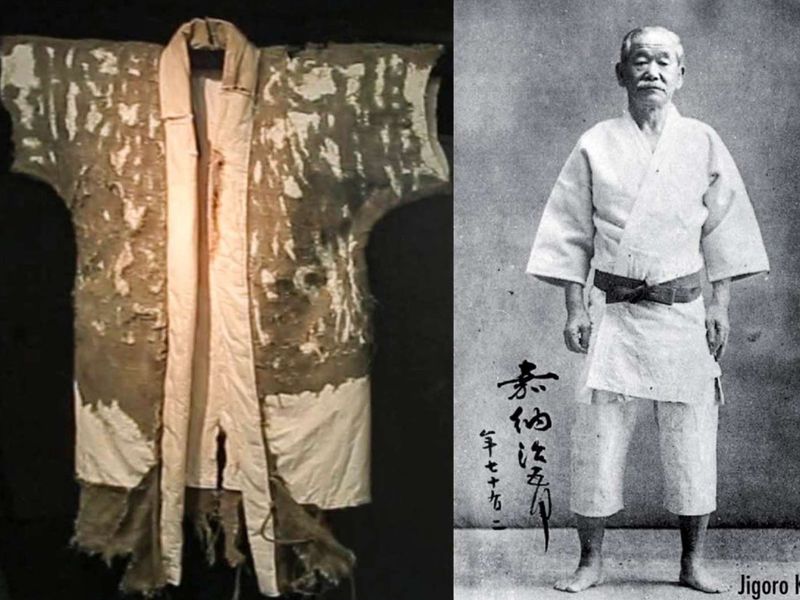
- Judo: throws, falling skills and grappling. Good for kids who like to wrestle and tumble.
- Brazilian jiu-jitsu (BJJ): ground grappling with lots of problem-solving. Often suits thoughtful kids and those who don't enjoy striking.
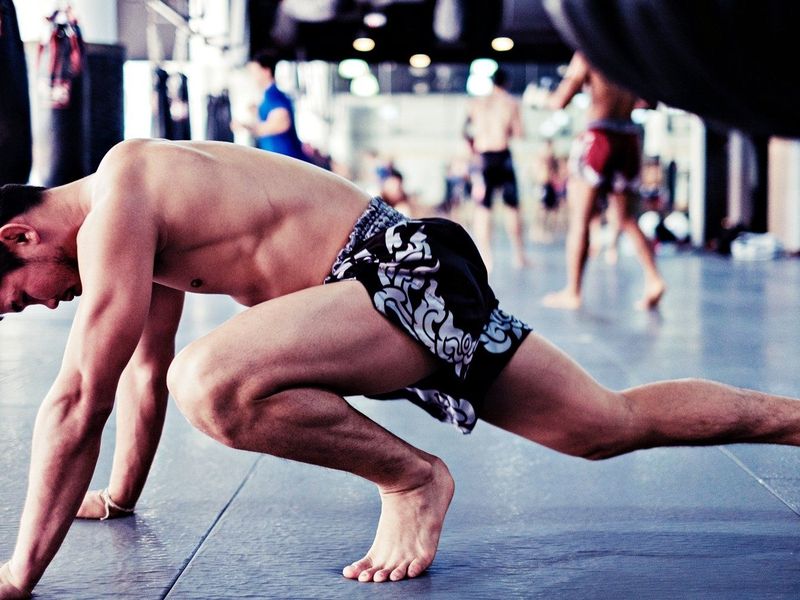
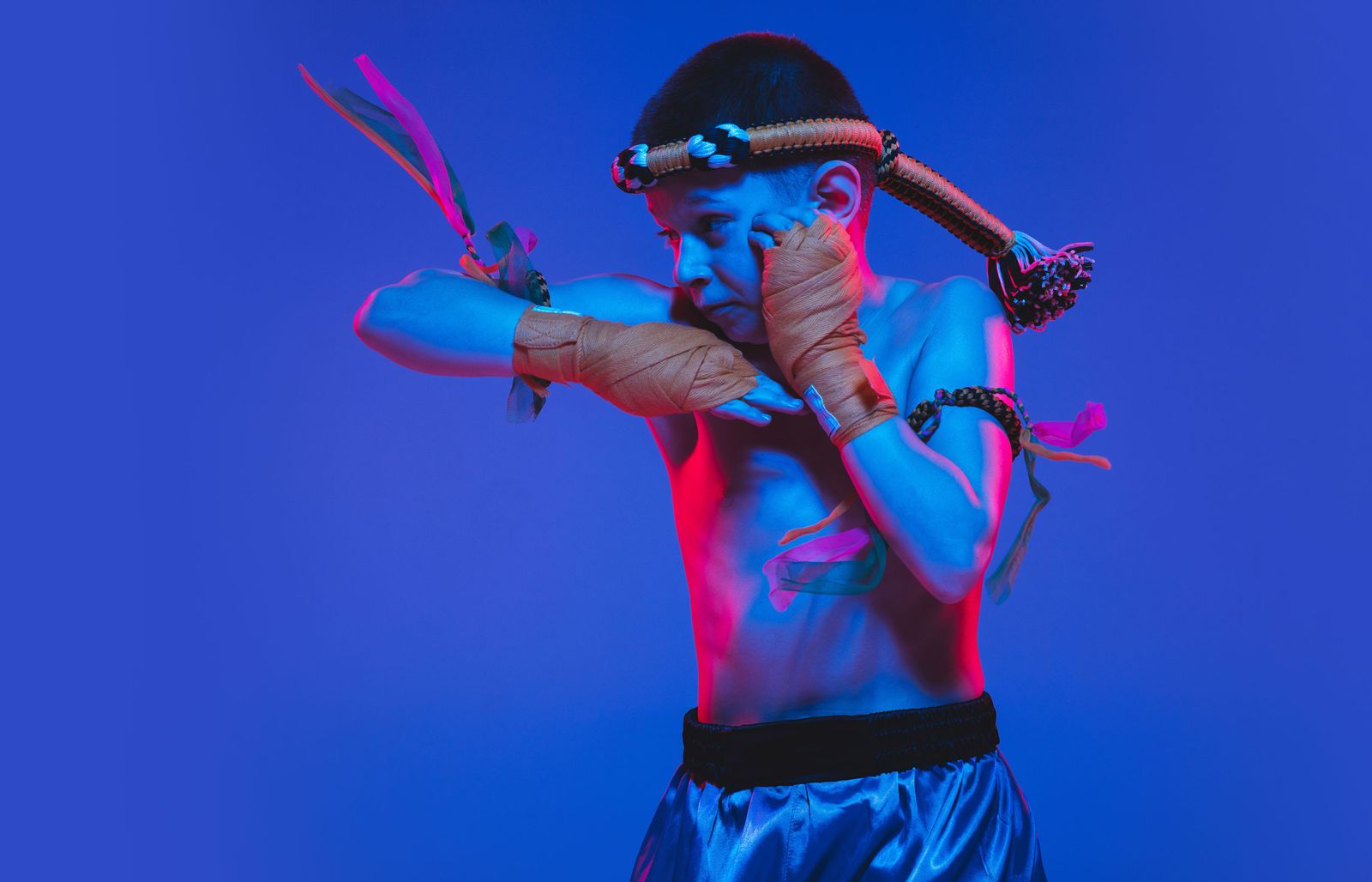
- Muay Thai and kickboxing: two different striking sports. Kids' classes are usually pad and technique work, and many clubs start them a little older.
Many clubs take children from around 5, and some run classes for younger kids. Age policies vary, so ask the club. For a deeper look at matching style to age and personality, and what to look for in a club, read our guide to choosing a martial art for your child in NZ.
Kit for the first few months
Start small. Most kids need very little in the first few weeks, and the club will tell you what's required.
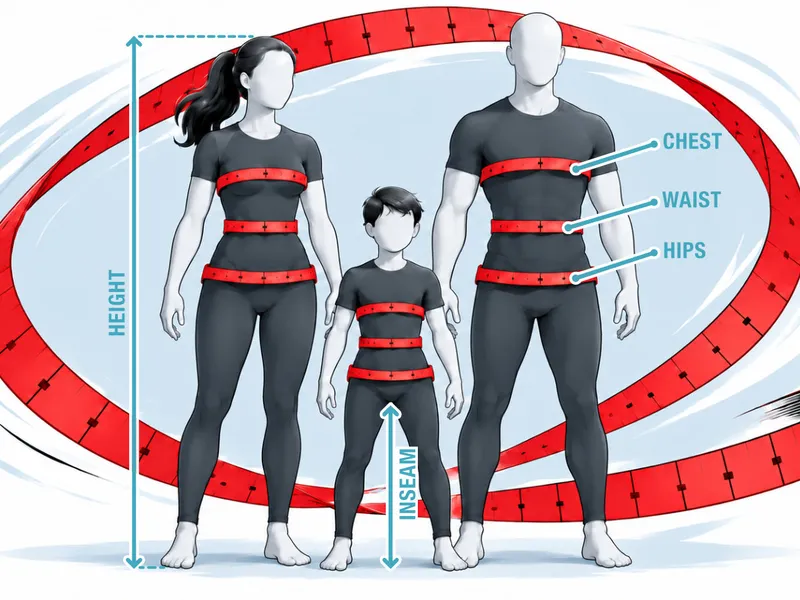
- A uniform. Karate, judo and taekwondo use a gi or dobok, and many clubs sell their own or tell you which to buy. For BJJ, see our BJJ gis and gear, and for karate, our karate uniforms. Choose by height, not age, and allow a few centimetres for growth.
- A mouthguard. Needed for most contact and sparring classes. The NZ Dental Association recommends one for all contact sports. See our mouthguards.
- Gloves and wraps for Muay Thai, kickboxing and boxing classes. Kids need smaller sizes, and our Muay Thai and kickboxing and hand and finger protection ranges include junior options.
- Shin guards or head guards only when the club asks for them, usually once sparring starts.
Our beginner's guide to protective gear covers sizing and what each piece is for. If you're not sure what to get, ask the coach first, then pop in or get in touch with us and we'll help with sizing.
Questions we get asked
What age can my child start martial arts?
Many clubs take children from around 5, and some run classes for 3 and 4 year olds that are mostly movement and games. Striking arts often start a bit older. Ask the club what age their kids' classes are designed for.
Will martial arts make my child aggressive?
A well-run club usually has the opposite effect. Reviews of the research find that outcomes depend heavily on the coach and how classes are run, with clubs that focus on respect and self-control tending to get the best results. Watch a class and see what the coach rewards.
Is it safe?
Kids' classes are usually low contact, and good clubs control sparring closely. Injuries can happen, as in any sport. Ask how the club handles contact, what they do if a child gets hurt, and how they keep children safe.
Can I train with my child?
Often, yes. Many clubs run family classes or have adult classes at the same time. Training together is one of the best parts of martial arts, and your child gets to see you learning too.
My child is shy. Is martial arts a good fit?
It can be. Shy kids often do well because the class is structured and they know what's expected. Let them watch a class first, and choose a club where the coach is patient with new starters.
Your next step
Shortlist two or three clubs near you, watch a kids' class at each, and book a trial at the one your child is most excited about. Give it six to eight weeks. And above all, it should be fun. Kids who enjoy training keep coming back, and that's where the benefits come from.
Keep reading:
References
- Ng-Knight T, Gilligan-Lee KA, Massonnié J, et al. Does Taekwondo improve children's self-regulation? If so, how? A randomized field experiment. Developmental Psychology. 2022;58(3):522–534. pubmed.ncbi.nlm.nih.gov/34941300
- Lakes KD, Hoyt WT. Promoting self-regulation through school-based martial arts training. Journal of Applied Developmental Psychology. 2004;25(3):283–302. doi:10.1016/j.appdev.2004.04.002
- Vertonghen J, Theeboom M. The social-psychological outcomes of martial arts practise among youth: a review. Journal of Sports Science and Medicine. 2010;9(4):528–537.
- Effects of participating in martial arts in children: a systematic review. Children (MDPI). 2022;9(8):1203. Notes the shortage of studies on children's cardiorespiratory and motor-skill outcomes. mdpi.com
- Health New Zealand / HealthEd. Sit less, move more, sleep well: physical activity for 5–17 year-olds (HE2312). Reviewed May 2025. healthed.govt.nz
- New Zealand Dental Association. Mouthguards. nzda.org.nz
- Sport Integrity Commission Te Kahu Raunui. Safeguarding and protecting children and young people. sportintegrity.nz